A research team in the Norwegian Polar Institute led HAVOC project studied sea-ice ridges during the MOSAiC drift campaign and found they can be hotspots for ice algae biomass and biodiversity
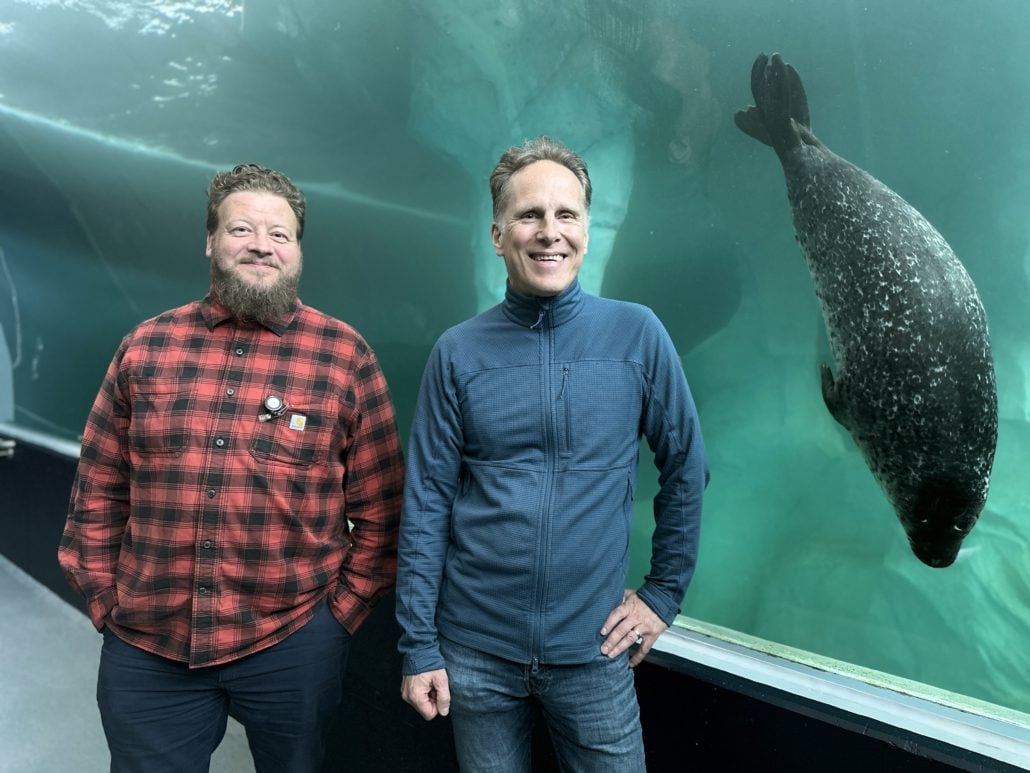
MORE THAN JUST ICE Sea ice researcher Mats Granskog (left) and marine biologist Philipp Assmy are among the co-authors of a new study documenting the crucial importance of pressure ridges for ecosystems in the Arctic Ocean, from microorganisms and zooplankton to larger organisms such as polar cod and seals. Photo: Elin Vinje Jenssen / Norwegian Polar Institute
While sea-ice ridges are widespread in the Arctic, there are only a handful of studies that have examined them in any detail. The objective of the HAVOC project was to investigate the physical evolution and ecological role of ridges during the year-long MOSAiC drift expedition. Such seasonal data was basically non-existent for ridges.
– The project was developed based on that fact that we knew really little about ridges, in part this is because they are notoriously difficult to sample. So even if we only managed to collect a handful of samples during MOSAiC, these are extremely valuable, says project leader Mats Granskog.
New findings from the expedition are now published in the journal Communications Earth & Environment and showcase that ridges can support a very large ice algae biomass in summer. Based on the observations, nearly 80% of the ice algae biomass could reside in ridges, even if they only cover about 1/5 of the ice pack. In part this is due to the unique ice habitats that are created when ridges form, submerged ice block surfaces and the maze of water-filled voids between the ice blocks create microhabitats that can support large biomass and biodiversity.
The contribution of ridges has been omitted previously due to lack of data. But despite the observations made by our team during MOSAiC there is still much we need to learn about their role in the Arctic sea-ice system.
– We believe that sea-ice ridges can also be a last refuge for ice-associated species when thinner level ice melts away, says marine biologist and co-author Philipp Assmy.

DIATOM The diatom Melosira arctica hangs in long filaments beneath the sea ice. In the background, we see pressure ridges. Photo: Oliver Mueller / University of Bergen


